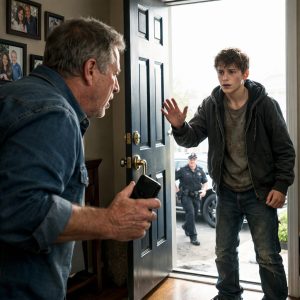
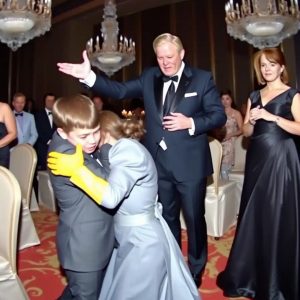
The room seemed to tremble before anyone fully understood what was unfolding. Old Hollywood arrived dressed in tradition and tuxedos, while New Hollywood burst in with raw energy, rebellion, and something to prove. Gene Hackman, Isaac Hayes, Charlie Chaplin — each transformed the stage into a moment that felt unrepeatable. This wasn’t just another awards ceremony. It was the night the Academy lost its balance… and found something new.
Looking back, the 1972 Oscars now feel like a rare fracture in time — a moment when Hollywood’s polished surface could no longer conceal the cultural shift rumbling beneath it. The French Connection signaled a new appetite for grit and realism, while The Last Picture Show, A Clockwork Orange, and Fiddler on the Roof proved that serious storytelling could no longer be confined to a single mold. Outside the Dorothy Chandler Pavilion, protests echoed through the streets, grounding the glamour in the unrest of a changing nation.
Inside, the ceremony kept colliding with raw human emotion. Isaac Hayes turning a soul anthem into Oscar history spoke volumes about a culture in motion. And when Charlie Chaplin stepped onto the stage — fragile, dignified, and timeless — the applause refused
Inside, the ceremony kept colliding with raw human emotion. Isaac Hayes turning a soul anthem into Oscar history spoke volumes about a culture in motion. And when Charlie Chaplin stepped onto the stage — fragile, dignified, and timeless — the applause refused to end. That legendary standing ovation bridged generations, linking the ghosts of silent cinema with a bold, restless future.
The 44th Academy Awards didn’t merely celebrate films. They captured Hollywood in the middle of transformation — suspended between what it once was and what it could no longer escape becoming.