Boiling eggs might seem like one of the simplest cooking tasks, yet achieving that perfectly cooked consistency—whether you prefer soft-boiled, medium, or hard-boiled—can sometimes be elusive. One common mistake many make is starting with cold water, which can affect cooking times and results. Here’s a straightforward method to boil eggs that ensures they turn out just the way you like them every time.
Understanding the Basics:
Boiled eggs are a versatile food that can be enjoyed on their own, added to salads, or used in various dishes. They are a good source of protein, vitamins, and minerals, making them a healthy choice for any meal.
Materials Needed:
Fresh eggs
Pot with a lid
Bowl with ice water (for cooling)
Timer
Steps to Boil Eggs Perfectly:
Fill a pot with enough water to cover the eggs completely. Bring the water to a full boil over high heat.
Adding the Eggs:
Once the water is boiling, reduce the heat to low (just enough to maintain a simmer) and use a spoon or ladle to gently lower the eggs into the water. This prevents the eggs from bouncing and cracking.
Cooking Time:
For soft-boiled eggs: Cook for about 4-6 minutes.
For medium-boiled eggs: Cook for about 6-9 minutes.
For hard-boiled eggs: Cook for about 10-12 minutes.
Adjust the time slightly depending on the size of the eggs and your altitude, which can affect cooking.
Cooling the Eggs:
Once the eggs are cooked to your liking, remove them with a slotted spoon and immediately place them into a bowl of ice water. This stops the cooking process and makes peeling easier.
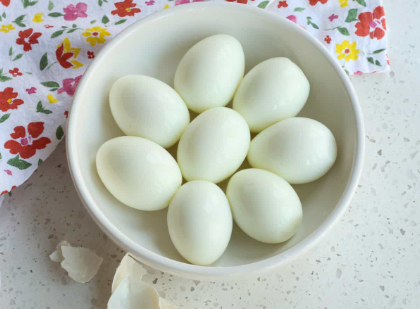
After the eggs have cooled for about 5 minutes in ice water, gently crack the shells and peel them under a little running water. The water helps to lift the shell away from the egg.
Tips for Best Results:
Freshness: Use relatively fresh eggs, but not the freshest you can find, as slightly older eggs peel more easily.
Consistency: Use the same method and timing once you find what works best for your preferred level of doneness.
Storage: Boiled eggs can be stored in the refrigerator for up to a week. Keep them in their shells until you’re ready to eat them to maintain freshness.
Boiling eggs correctly might take a little practice to perfect the timing, but once you master it, you’ll be able to enjoy perfectly cooked eggs anytime. This method is not just about simplicity but also about bringing out the best in a humble egg. Give it a try, and you might just find your eggs turning out amazing every single time!