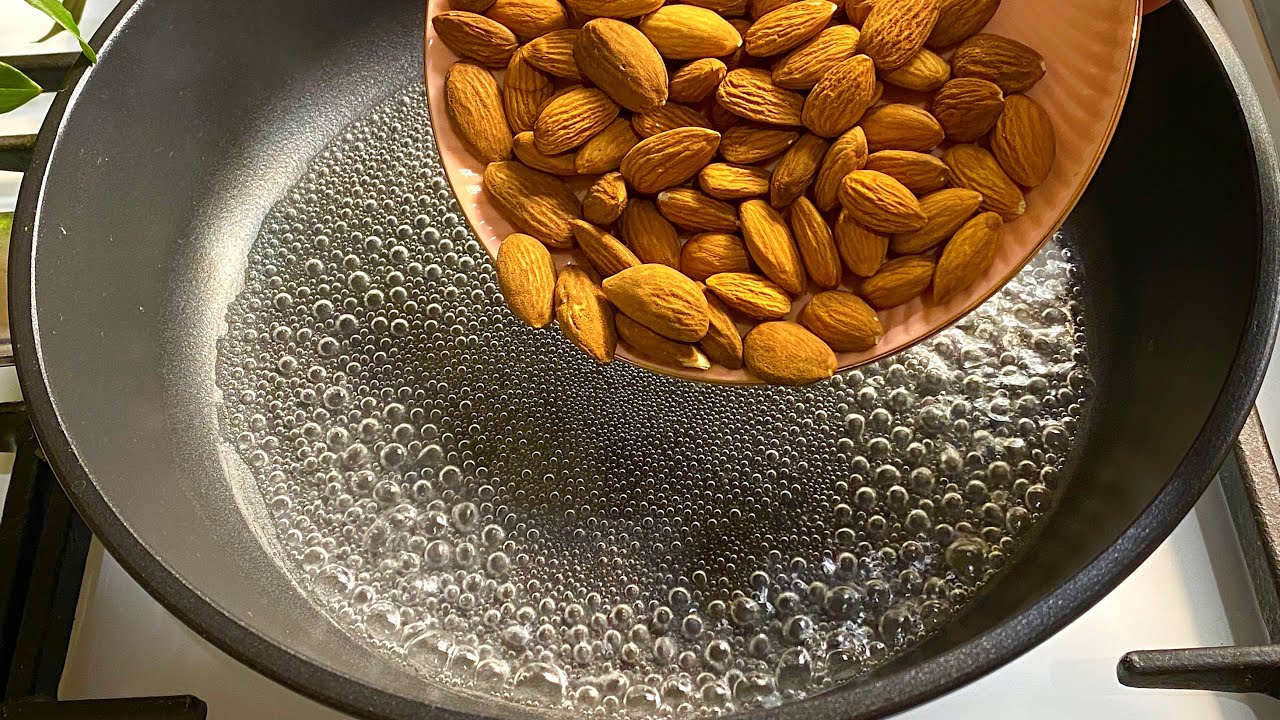
Blanching almonds by immersing them in boiling water is a culinary technique used worldwide. This simple method not only enhances the flavor and texture of almonds but also makes them more versatile for various recipes. Let’s dive into how this process works and why it’s so beneficial.
Why Blanch Almonds?
- Ease of Peeling: Blanching almonds in boiling water softens their skins, making them easy to peel. Once the skins are removed, the almonds have a smoother, creamier texture that’s ideal for baking, cooking, or direct consumption.
- Enhanced Flavor and Texture: Removing the skins also mellows the almonds’ flavor, reducing any slight bitterness and bringing out a richer, more buttery taste. This makes them perfect for desserts and savory dishes alike.
- Increased Nutrient Absorption: Some studies suggest that blanching can improve the digestibility of almonds, potentially increasing the body’s ability to absorb their nutrients.
How to Blanch Almonds
Here’s a simple step-by-step guide to blanching almonds at home:
- Boil Water: Bring a pot of water to a rolling boil.
- Prepare Almonds: Add raw almonds to the boiling water. Make sure they are fully submerged.
- Timing is Key: Let the almonds boil for just 60 seconds. Overcooking them can make them too soft and affect their flavor.
- Cooling: Immediately drain the hot water and rinse the almonds under cold water to stop the cooking process. This also cools them down quickly, making handling easier.
- Peeling: Once cooled, take an almond between your thumb and forefinger and gently squeeze. The almond should slip out of its skin easily.
- Drying: After peeling, let the almonds dry on a clean kitchen towel or paper towel to remove any excess moisture.
Uses of Blanched Almonds
Blanched almonds can be used in a variety of culinary applications:
- Baking and Confections: Use them in recipes for cakes, cookies, and other desserts where a smooth texture is desired.
- Almond Flour/Meal: Grind blanched almonds to make your own almond flour or meal, which is excellent for gluten-free baking.
- Snacking and Garnishing: Enjoy them as a nutritious snack or chop and sprinkle over salads, yogurt, or oatmeal for added crunch and nutrition.
Conclusion
Blanching almonds is a quick and effective method to enhance their appeal and usability in the kitchen. Whether you’re a professional chef or a home cook, this technique can elevate your cooking and baking, allowing you to enjoy almonds in their most delicious form. The whole world has embraced this method for a reason—it’s simple, effective, and opens up a plethora of culinary possibilities.