Potatoes have the ability to effectively absorb salt due to their starch content. By adding potatoes to an overly salty dish and boiling them for a few minutes, the potatoes will absorb the excess salt in the cooking water, helping to balance the flavor and reduce the saltiness of the dish.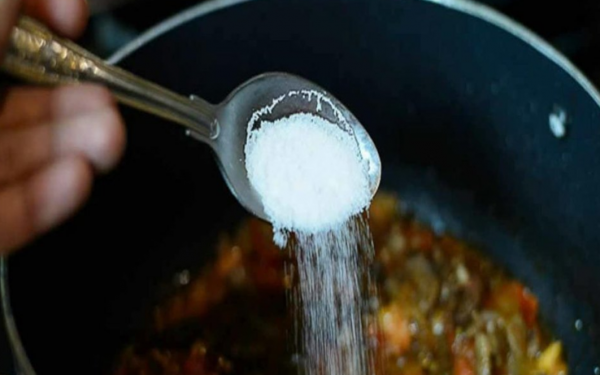
Here’s a simple method to follow:
Add potatoes to the pot: Cut the potatoes into small pieces and place them in the pot with the dish you’re cooking.
Boil the potatoes: Boil the potatoes along with the dish for a few minutes until the potatoes are soft and absorb enough salt.
Remove the potatoes: Once the potatoes have absorbed enough salt, you can remove them from the pot to prevent altering the texture or flavor of the dish.
This process helps to make the dish not only more balanced in flavor but also adds a natural taste from the potatoes. With this simple trick, you can easily fix an overly salty dish quickly and effectively, giving your family meal a perfect flavor.
Additionally, there are other ways to reduce saltiness in a dish:
Use vinegar or fresh lemon juice: A small amount of rice vinegar or fresh lemon juice can help neutralize the saltiness of the dish. However, be careful not to use this method for dairy-based dishes, as vinegar or lemon can cause the milk to curdle and change the flavor of the dish.
Use tomatoes
If you don’t have lemon or potatoes, you can also use thickly sliced tomatoes. Add them to the dish and let them soak for 15 to 20 minutes. Tomatoes can help reduce the saltiness of the dish. However, tomatoes won’t be as effective as the methods mentioned above, as they have a milder sour taste.
Egg whites help absorb the saltiness
For salty soups or broths, you can use egg whites (chicken or duck) without beating them. Pour them directly into the pot and let it simmer for about 5 minutes. The saltiness will decrease significantly. Depending on the amount of food you’re cooking, adjust the amount of egg whites accordingly.
Honey helps neutralize saltiness
You can use honey for certain dishes. The mild sweetness of honey will help reduce the salty taste in soups and broths, providing a natural sweetness. Alternatively, you can use sugar instead of honey. Be mindful not to add too much honey or sugar, as it could alter the flavor of the dish.
Use water
For soups, stews, or dishes with liquid, if they are too salty, you can save them by adding water. Add water gradually and taste to see if the dish is balanced. You can also add other necessary seasonings like monosodium glutamate, pepper, or chili powder to ensure the dish is flavorful.