Shingles, also known as herpes zoster, is a viral infection that no one wants to deal with. The intense pain and rash are just the tip of the iceberg. We’ll explain what shingles is, why it occurs, who is most likely to develop it, and how you can protect yourself or treat the condition.
What is shingles?
Shingles is caused by the varicella-zoster virus, which is the same virus that causes chickenpox. If you’ve had chickenpox at some point in your life, you should know that the virus hasn’t completely gone away; it lies dormant in your nerve cells, waiting for an opportunity to reappear.
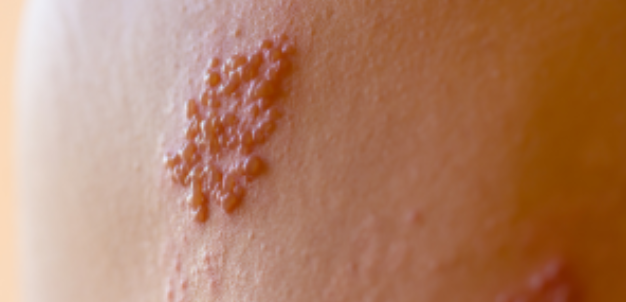
Sometimes, years later, when your immune system is weaker or under stress, it can reawaken as shingles, causing a painful, blistering rash.
Who is at risk for shingles?
Who is at risk for shingles? Usually, people who have had chickenpox before. Among these, those most likely to develop the disease are:
– People with a weakened immune system (due to cancer, HIV, organ transplant recipients, or those undergoing chemotherapy).
– People over 50 years of age.
– People who have been ill.
– People who have suffered some type of trauma.
– People who are under stress.
What are the symptoms of shingles?
Early symptoms of the disease include:
– Fever
– Chills
– Headache
– Fatigue
– Sensitivity to light
– Stomach upset
Other signs and symptoms that appear a few days after the first symptoms include:
– A feeling of itching, tingling, or burning in an area of the skin.
– Redness of the skin in the affected area.
– A raised rash on a small area of the skin.
– Fluid-filled blisters that rupture and then crust over.
– Mild to severe pain in the affected area of skin.
Complications of Shingles
Shingles is more than just a painful rash. It can lead to serious complications, such as post-herpetic neuralgia, bacterial infections in the blisters, and in rare cases, nerve paralysis or even the spread of the virus to other parts of the body, such as the brain, lungs or liver.
Prevention and treatment
The good news is that there is a vaccine to prevent the condition. The recombinant herpes zoster vaccine (RZV), known as Shingrix, significantly reduces the risk of developing the disease and its complications, according to the manufacturer.
Although there is no definitive cure for shingles, there are treatments available to control its symptoms, for example:
Antiviral medications
These medications reduce discomfort and speed recovery from symptoms, especially if started within 72 hours of the first sign of shingles.
They also reduce the risk of complications such as postherpetic neuralgia, which is persistent pain that appears after the rash has disappeared. Here are some antiviral medications:
– Acyclovir
– Famciclovir
– Valacyclovir
– Over-the-counter pain relievers
The following medications are intended to relieve pain:
– Paracetamol
– Ibuprofen
Other medications
If there is a bacterial infection associated with the shingles rash, antibiotics are prescribed. In addition, anti-inflammatory medications, such as prednisone, are indicated if shingles affects areas such as the eyes or other parts of the face.
Warning! Avoid self-medication. Seek medical attention.
Is shingles contagious?
While shingles is not contagious, the varicella-zoster virus is. If you have an active outbreak of shingles, you can pass the virus on to someone who has never had chickenpox or who has not been vaccinated against it.
If this happens, the infected person will not develop shingles, but rather chickenpox. Therefore, it is essential to take precautions to prevent transmission.
If you have shingles, follow these recommendations:
– Keep the rash well covered
– Wash your hands frequently
– And avoid close contact with people who are more vulnerable to the virus, such as infants, pregnant women, or individuals with weakened immune systems.
This way, you can help protect others and prevent the spread of the virus.