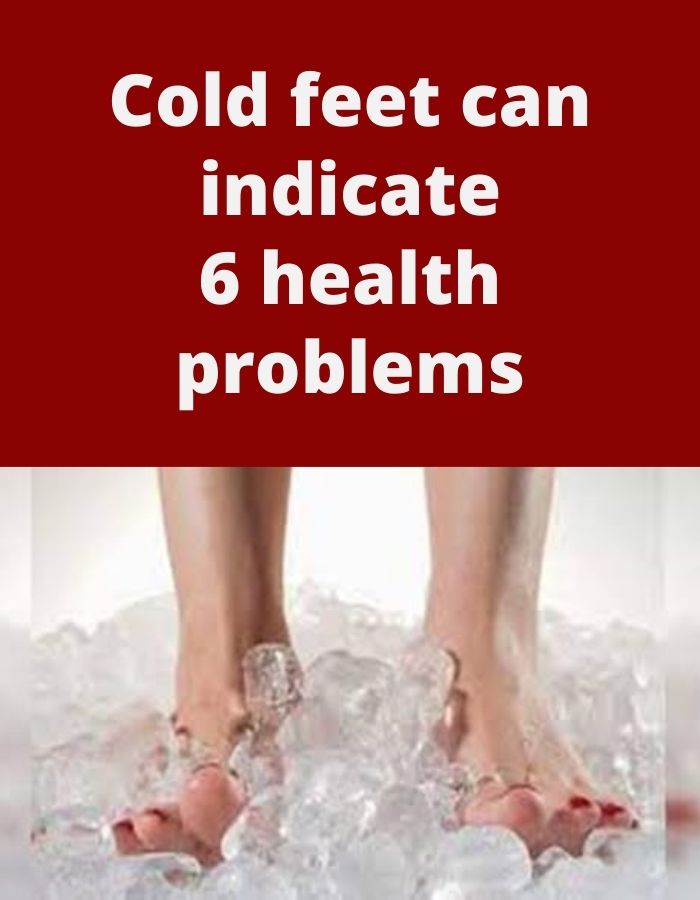
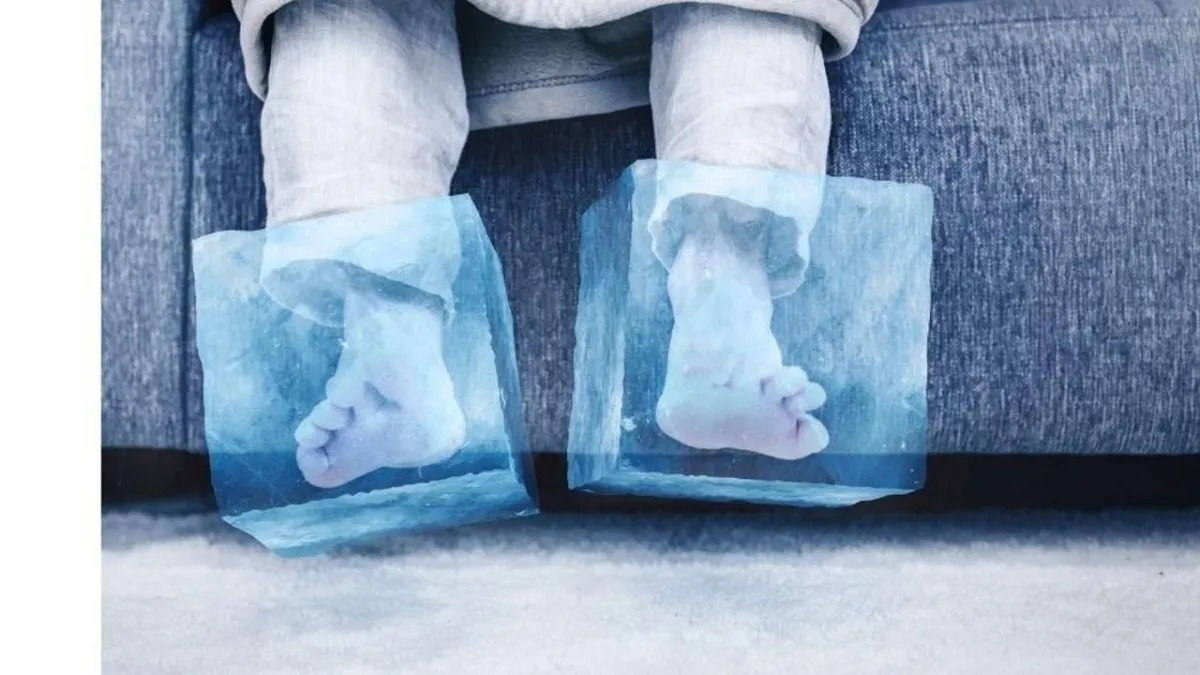
Feeling cold feet is common, especially on colder days. Sometimes, all it takes is putting on a pair of socks or wrapping yourself in a blanket to solve the problem. However, when this sensation is constant or happens for no apparent reason, it is a warning from your body.
In this article, I explain in simple terms the six main problems that can be behind this discomfort and how to identify the signs.
Why do feet get cold?
The human body is intelligent and prioritizes keeping vital organs warm. When we are exposed to the cold, blood is redirected to the torso, leaving the extremities, such as hands and feet, less warm.
However, cold feet are not always related to the environment. Problems with blood circulation, nerves, or even hormonal changes can affect the temperature of the extremities.
If you notice that your feet are often cold, even in warm places, it is worth paying attention to other symptoms.
1. Poor circulation: The most common culprit
Poor circulation is one of the most common causes of cold feet. When blood does not circulate efficiently throughout the body, the extremities, such as the feet, do not receive enough heat.
To improve circulation, simple activities such as walking or stretching can help a lot. In more serious cases, it may be necessary to see a doctor to investigate the cause.
2. Anemia: When the body lacks iron
Anemia is another common factor linked to cold feet. This condition occurs when the body does not have enough healthy red blood cells to carry oxygen. With less oxygen circulating, the feet and hands may feel colder.
Causes of anemia include a lack of iron or vitamin B12 or even chronic diseases.
3. Diabetes: Watch out for neuropathy
Diabetes is a disease that affects the way your body processes blood sugar. When it is not well controlled, excess sugar can damage your nerves, especially in your extremities, such as your feet.
This condition, called diabetic neuropathy, can cause abnormal sensations such as tingling, numbness, or a feeling of intense coldness in the feet.
4. Hypothyroidism: Slow metabolism, cold feet
The thyroid is a small gland in the neck that produces hormones that regulate metabolism. When the thyroid is working less than it should, the entire body slows down, including the body’s ability to maintain its temperature.
If you suspect hypothyroidism, see a doctor. Diagnosis is made through blood tests, and treatment is usually simple, with hormone replacement therapy.
5. Raynaud’s phenomenon: Fingers that change color
Raynaud’s phenomenon is a condition that affects the blood vessels in the hands and feet, causing them to constrict in response to cold or stress. This reduces blood flow, leaving the fingers pale, blue, and, in some cases, even numb.
After the episode, the fingers may become red and painful as the blood returns to the bloodstream. Although not serious, Raynaud’s can be associated with other diseases, such as lupus or rheumatoid arthritis.
Protecting your hands and feet from the cold and avoiding stressful situations helps control symptoms.
6. Multiple sclerosis: An impact on the nerves
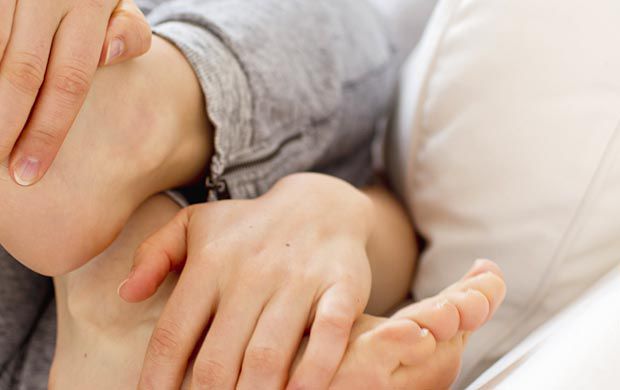
Multiple sclerosis is an autoimmune disease that affects the central nervous system, interfering with communication between the brain and the body. One of the symptoms is dysesthesia, or abnormal sensations such as intense heat or cold in the feet and hands.
This type of discomfort occurs because damaged nerves have difficulty transmitting temperature signals.
Treatment varies depending on symptoms and may include medications to relieve discomfort.
When to seek medical help?
If cold feet are persistent and accompanied by other symptoms, such as pain, swelling, or changes in skin color, it’s time to see a doctor.
While cold feet are often nothing to worry about, identifying the underlying cause can help prevent more serious problems and improve your quality of life.

Conclusion
Cold feet are more than just a nuisance: they can be a warning sign of health conditions that deserve attention. Knowing the possible causes is the first step to taking better care of yourself and seeking help when necessary.
Whatever the reason, the important thing is to listen to your body and take action to maintain your health. After all, no one deserves to spend the whole day with frozen feet, right?