Arturo Suarez Recounts Horrific Conditions Inside El Salvador’s Mega-Prison. Arturo Suarez, a 34-year-old aspiring singer, was arrested by U.S. immigration authorities in March while filming a music video in North Carolina. Despite having no criminal record in any of the four countries he had lived in, he was accused of being part of the Venezuelan gang Tren de Aragua, based solely on his appearance — specifically, his 33 tattoos.
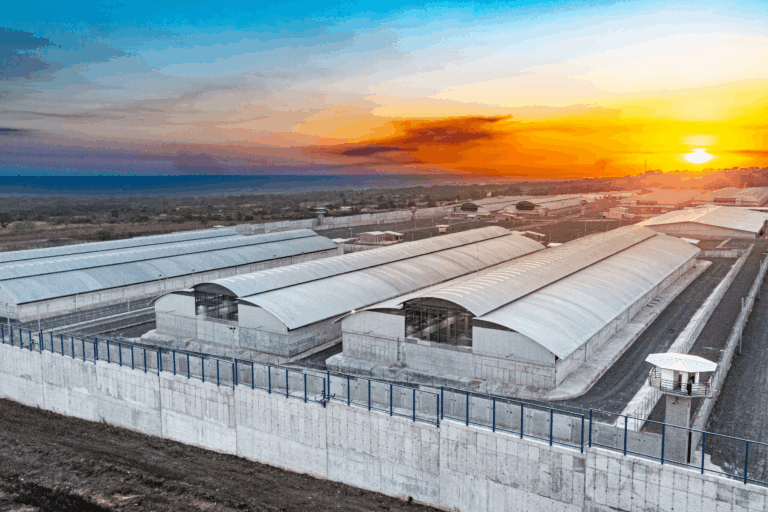
As part of a Trump-era immigration crackdown that targeted suspected gang members, Suarez was one of 250 Venezuelan men deported to El Salvador, where he was sent to the notorious Centro de Confinamiento del Terrorismo (CECOT). Opened in 2023 by President Nayib Bukele’s government, the CECOT facility is the largest maximum-security prison in Latin America, capable of holding up to 40,000 inmates.
Though described by the government as a model of security, it has been widely criticized for its extreme and inhumane conditions. Suarez described CECOT as a place of daily abuse and psychological torment. “We were constantly beaten and humiliated,” he told Sky News. “There wasn’t a day that went by without verbal threats or physical punishment. The prison director welcomed us by saying, ‘Welcome to hell.’”
He shared that 19 inmates were packed into each cell, and even minor actions like speaking too loudly or bathing more than once a day were punished by taking away their mattresses. “We had to eat with our hands, and they tried to strip us of our humanity,” Suarez said. “They didn’t just want to imprison us — they wanted to break us.”
After spending nearly five months in the facility, Suarez was released as part of a prisoner exchange between the U.S. and Venezuela. The deal secured the return of ten U.S. citizens and permanent residents who had been detained in Venezuela.
Now living in Venezuela with relatives, Suarez is trying to recover from the trauma. His wife, Nathali, and their 10-month-old daughter, Nahiara, remain in Chile, while his family supports him financially and emotionally during this time of healing. Suarez’s story sheds light on the human cost of aggressive immigration and anti-gang policies, and raises concerns about the use of maximum-security prisons for individuals without any criminal conviction.