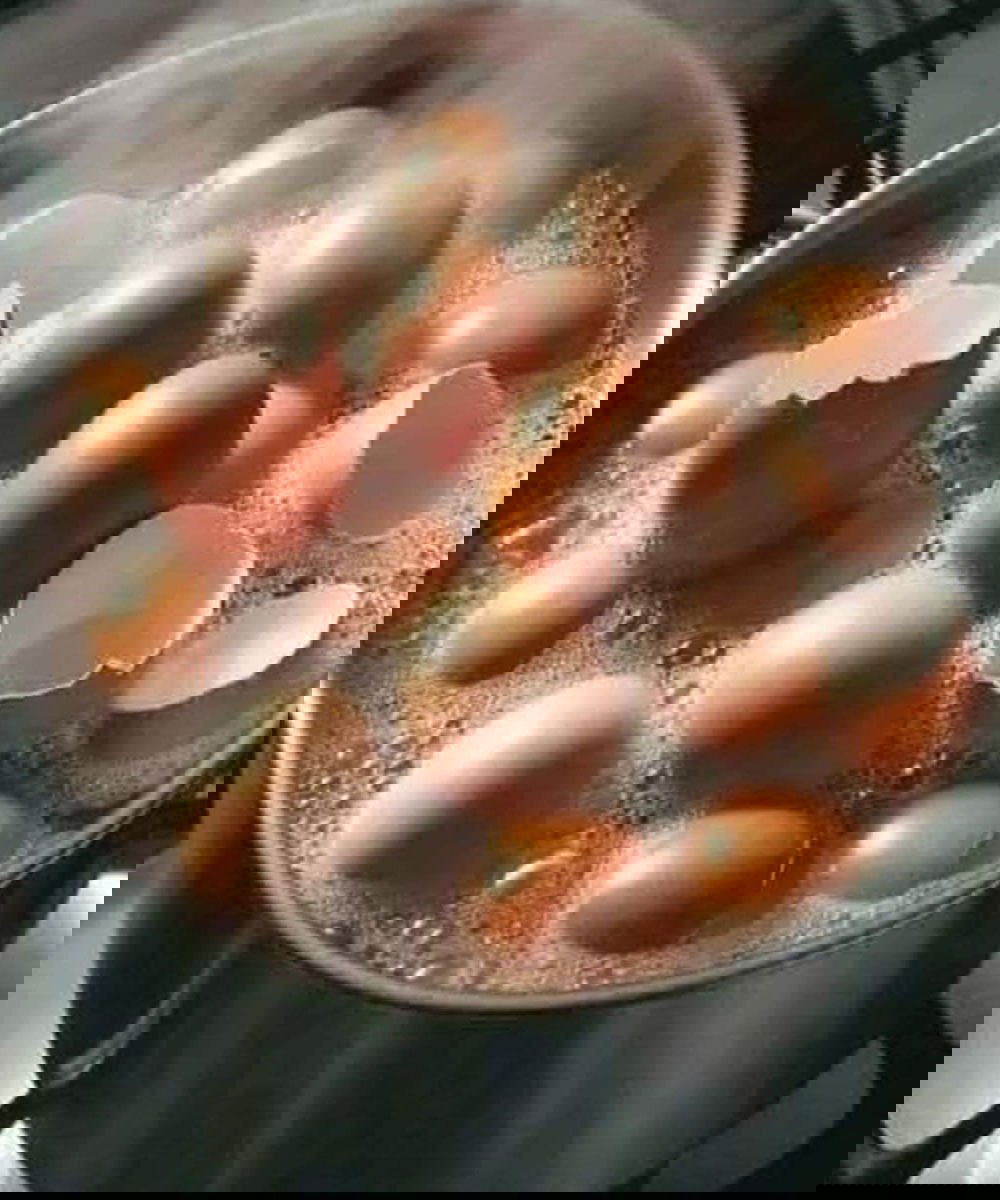
Eggshells are one of those kitchen waste products we tend to throw away without a second thought. However, what many people don’t realize is that this “waste” is actually a valuable source of nutrients, both for human health and for plant health. Reusing them is not only a smart way to reduce waste, but also a natural and economical way to reap real benefits.
Health Benefits
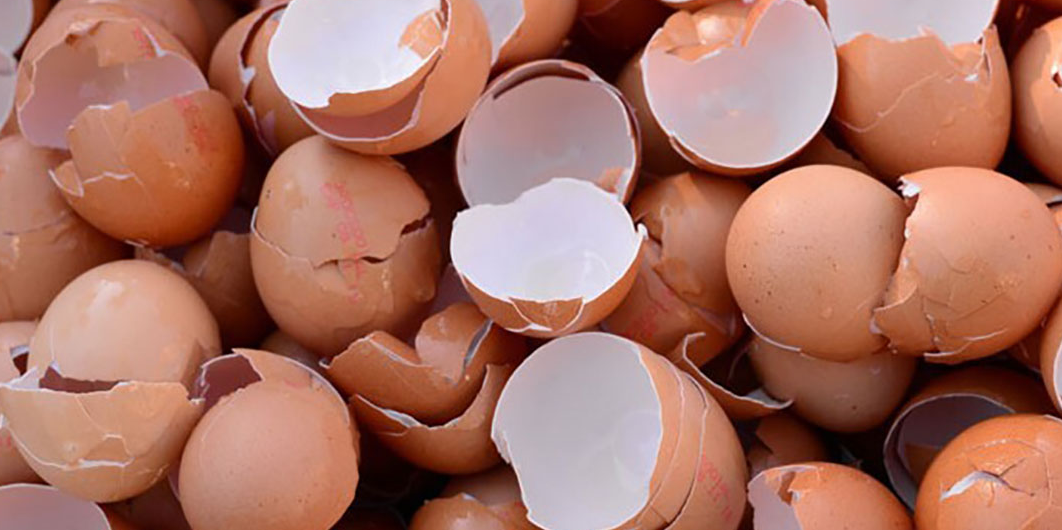
Eggshells are composed of 90% calcium carbonate, an essential mineral for maintaining strong bones and teeth. After proper disinfection and pulverizing, they can be consumed in small amounts as a natural supplement. To do this, simply boil the shells for 5 minutes, dry them in the sun or oven, and then grind them into a fine powder.
This powder can be added to juices, smoothies, or soups to provide additional calcium. Some studies suggest that the calcium in eggshells is as absorbable as that in commercial supplements, making them a natural option for preventing osteoporosis or strengthening the bone system.
Additionally, they contain traces of other minerals such as magnesium, phosphorus, and zinc, which also contribute to the proper functioning of the body.
Garden Allies
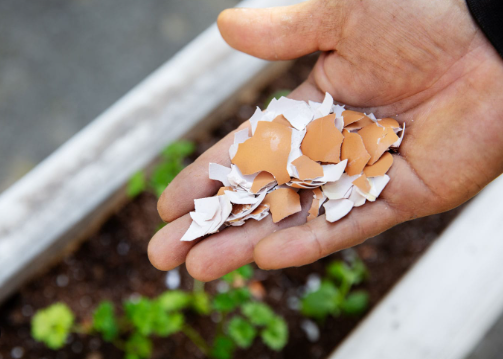
In gardening, eggshells offer multiple uses. One of the most common applications is as a natural fertilizer. When crushed and mixed with soil, they enrich the substrate with calcium and help balance the soil’s pH. This is especially beneficial for crops such as tomatoes, peppers, and eggplant, which require additional calcium.
They can also be placed in larger pieces around plants as a natural barrier against slugs and snails. Their sharp edges deter these pesky visitors without the need for pesticides.
Another option is to add them to compost, as they accelerate decomposition and add minerals to the final fertilizer.
A Sustainable Solution
Reusing eggshells is a simple way to live a more eco-conscious and environmentally friendly lifestyle. Whether you use them to strengthen your bones or nourish your plants, you’re making the most of a resource that would normally end up in the trash. So the next time you break an egg, remember: don’t throw them away, reuse them!