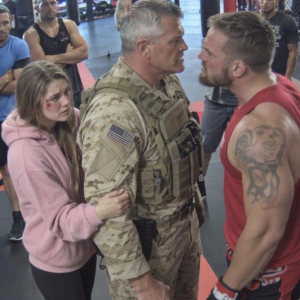
The first weeks were a delicate dance of establishing routines, trust, and boundaries. Skyla had grown used to being overlooked, so even small gestures—like letting her choose breakfast or picking a movie together—became exercises in rebuilding her sense of worth. I quickly learned the subtle signs of anxiety in her posture, the way she flinched when a door slammed too loudly, or the hesitation in her voice when she asked permission instead of stating a need. Every day, I reminded her she didn’t need to shrink to fit into anyone else’s plans. She belonged fully, unapologetically, right here.
School was another challenge. Teachers were kind, but their assumption that she came from a “typical” household only made her more cautious. We spoke daily about her experiences, helping her find the words to explain what had happened without fear. Slowly, she started raising her hand in class, asking questions, and even laughing with her friends instead of holding back. I watched her reclaim spaces she had been pushed out of, proud of the way she started taking ownership of her life, little by little.
We also explored the things she loved but had been denied—music lessons, art supplies, library visits. One Saturday, we took a trip to a small pottery studio. She was hesitant at first, watching the clay spin, unsure if she could create something beautiful. But by the end, her hands were coated in mud, her cheeks streaked with excitement, and she had made a small bowl that she insisted would be the first of many. That night, she went to bed smiling, a rare, unguarded smile that seemed to signal a new chapter.
I realized then that healing wasn’t a straight path. There were setbacks, moments of anger or doubt, nights when she asked if she’d ever be “good enough” to be loved fully. But each time, we faced it together. I never offered hollow reassurances; instead, I offered presence. And gradually, Skyla began to understand that love wasn’t conditional, and that being chosen—truly chosen—wasn’t something she had to earn.