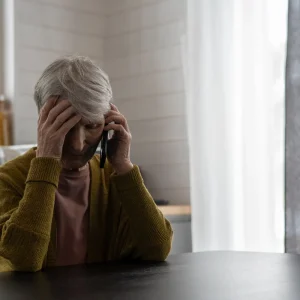
The first time I cleaned Clara Thompson’s house, I did it for twenty dollars because that evening I did not have enough money to eat.I want to be precise about that because the number matters. Not because twenty dollars is a large amount or a small amount, but because it was the exact distance between me and hunger on a Thursday afternoon in October when the sky over Greenwich Village was the color of dirty dishwater and my stomach had been empty since the previous night’s half portion of rice, which I had split with my mother because her appetite was poor from the medication but she would not eat unless I ate with her, and so we divided what remained and called it dinner and went to bed with the particular silence of two women who have learned not to discuss what is missing from the table.
My name is Ana Morales. I was twenty three years old that October, though people often assumed I was younger because poverty has a way of preserving certain kinds of innocence while destroying others. I sold desserts from a folding table on the corner of Bleecker and Sullivan, small pastries and flan cups I made in our apartment kitchen before dawn, carrying them to the street in a cooler I had found behind a restaurant and scrubbed until the plastic gleamed. On good days I earned forty or fifty dollars. On bad days the weather kept people indoors and the flan sat unsold and I brought it home and my mother and I ate dessert for dinner, which she always tried to frame as a treat rather than a failure.
My mother was sick. I will not describe the illness in clinical detail because the diagnosis was less important than its effects, which were exhaustion, pain, medical bills that arrived with the regularity and cruelty of seasons, and the slow erosion of a woman who had spent her entire life working with her hands and was now watching those hands lose their ability to do the one thing that had always defined her, which was to provide for the child she loved beyond any boundary language could draw around the feeling.
She had raised me alone. The man I knew as my father, Luis Morales, left when I was eleven. He did not leave gradually or with explanation. He simply was not there one morning, his side of the closet empty, his shoes gone from the hallway, a debt he had accumulated quietly sitting on the kitchen table in the form of a letter from a collection agency. My mother told me he was a complicated man, which was her way of saying she did not understand his leaving any more than I did and had decided to translate abandonment into a word that sounded less like cruelty.